The People’s Republic of China has placed significant emphasis on preserving and promoting its rich intangible cultural heritage since its founding in 1949. Through comprehensive legal frameworks, sustained government investment, and educational initiatives, China has successfully safeguarded its traditional arts, music, dance, and customs. Relevant government agencies, in collaboration with educational institutions, regularly provide training to local communities, enabling younger generations to inherit and preserve their cultural traditions with pride and enthusiasm. Today, China’s cultural heritage serves not only as a symbol of national identity but also as a powerful instrument for poverty alleviation, cultural tourism, and international cultural diplomacy.
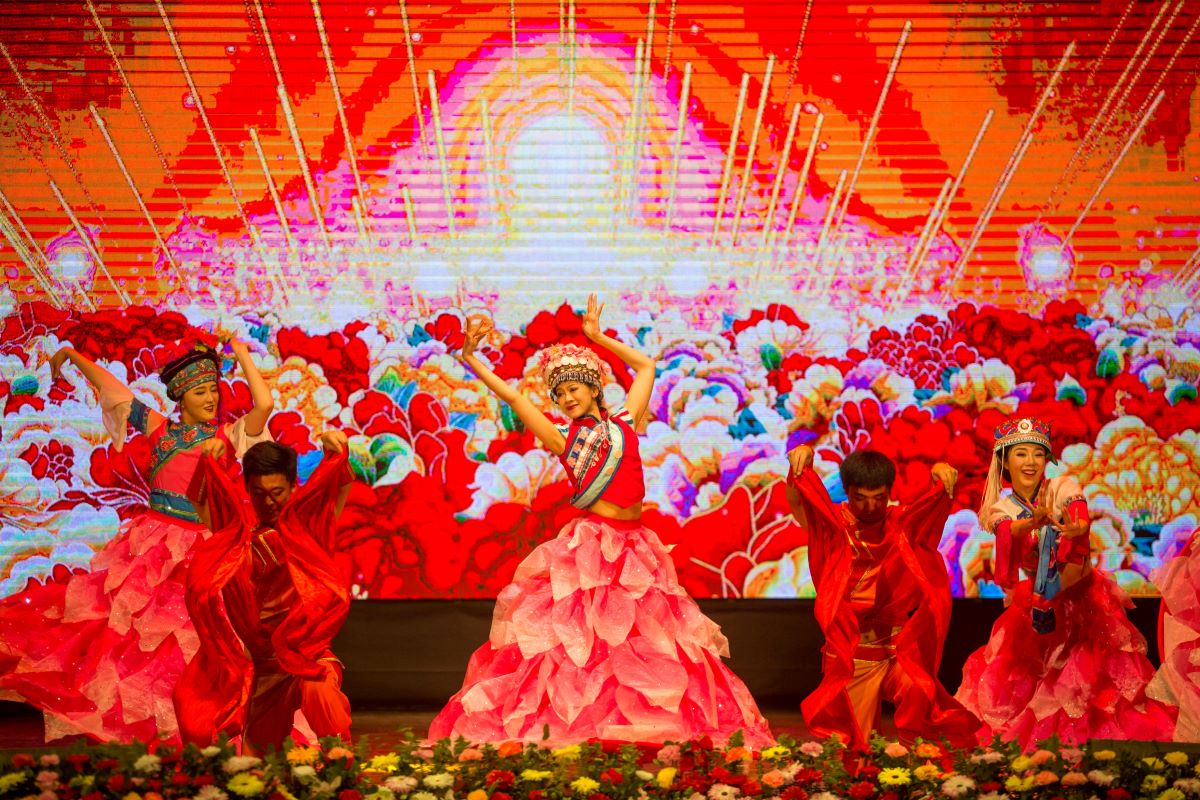
Against this backdrop, the “Colorful Cultural Night” presented by the Yunnan Ethnic Song and Dance Group was organized in Kathmandu on 1 March to celebrate the enduring friendship between Nepal and China, as well as the Chinese New Year. Hosted by His Excellency Chen Song, Ambassador of the People’s Republic of China to Nepal, the event brought together foreign diplomats, government officials, cultural personalities, and numerous Nepali friends of China. The gracious presence of the Rt. Hon. President of Nepal, Mrs. Bidya Devi Bhandari, added special significance to the evening and reflected the importance of cultural diplomacy in strengthening bilateral relations.
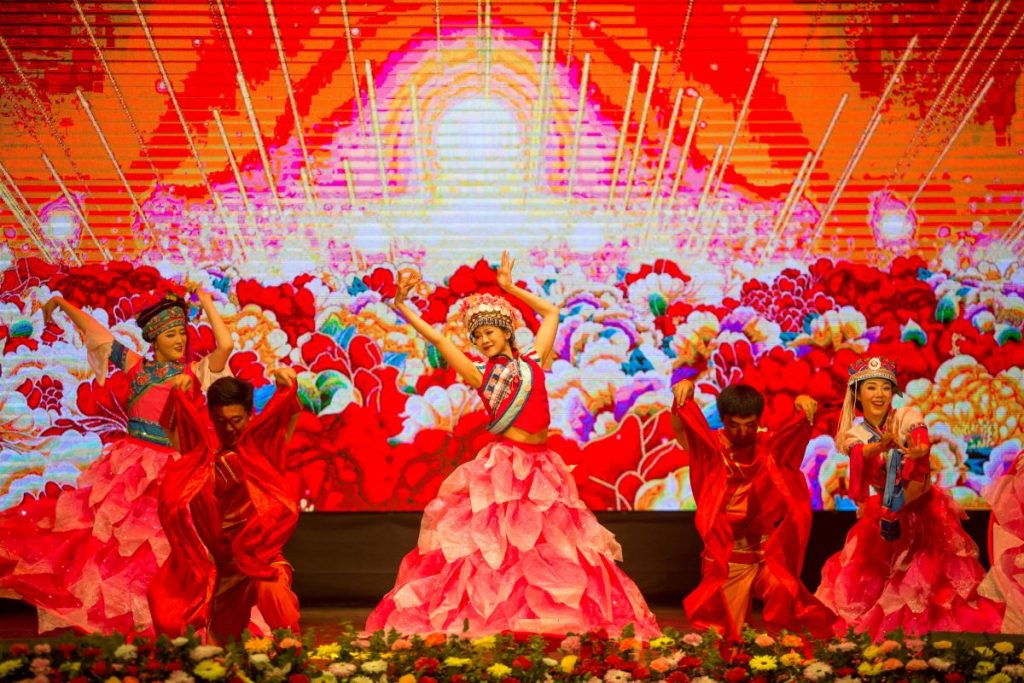
Located in southwestern China, Yunnan Province is renowned for its remarkable ethnic diversity. Home to 26 officially recognized ethnic minority groups, including the Dai, Bai, Yi, Hani, Naxi, Miao, Lisu, and others, Yunnan is often celebrated as one of China’s richest cultural landscapes. Its vibrant traditions, colourful costumes, distinctive languages, and diverse performing arts have earned the province international recognition.
During the programme, the Kunming Folk Song and Dance Theatre introduced the audience to the cultural richness of Yunnan through ten captivating performances. The repertoire included Blessing, Song of the Wrangler, Red Fish, Horse Racing, Awa in the Sea of Clouds, The Flowing Creek, Deep in the Bamboo Forest, Fire Festival, Colorful Yunnan, and Camellia Verse. Complementing these performances were two presentations by local participants—a lively rendition of Nepal’s beloved folk song Resham Firiri and the performance Beautiful Nepal by Chinese children studying in Nepal, expressing their affection for their temporary home.
Each performance vividly portrayed the traditional attire, music, dances, customs, and languages of Yunnan’s ethnic communities. The colorful costumes, elegant choreography, and authentic musical arrangements transported the audience to the mountains, valleys, forests, and villages of Yunnan. Since its establishment in 2006, the troupe has toured more than fifteen countries, earning widespread acclaim for its artistic excellence and authentic representation of China’s ethnic heritage.
One of the most impressive aspects of the performance was its authenticity. Rather than presenting stylized modern interpretations, the productions faithfully recreated indigenous folk traditions. Many of these performances were developed after extensive field research in rural communities, where artists spent months documenting local customs, dances, songs, and rituals. While some performers are professionally trained dancers, many belong to the very ethnic communities whose traditions they perform, having practiced these art forms from childhood.
Among the evening’s highlights were the spectacular drum dances and the graceful Peacock Dance, both of which received enthusiastic applause from the audience.
Drums occupy a central place in the cultural life of many ethnic groups in Yunnan. They are believed to connect humanity with heaven and earth while symbolizing celebration, spirituality, and communal harmony. Whether marking weddings, harvest festivals, religious ceremonies, or even funerals, different communities employ a variety of traditional drums, including the Elephant Foot Drum, Big Drum, Star Drum, and Flower Drum. Their powerful rhythms create an atmosphere of joy and collective celebration while narrating the everyday stories and historical memories of the people.
Equally enchanting was the renowned Peacock Dance, which originates from the Dai ethnic community. Traditionally, Dai men performed dances inspired by the graceful movements of peacocks, often in areas inhabited by elephants. Over time, women became the principal performers, transforming the dance into one of exceptional elegance and artistic refinement. For the Dai people, the peacock is regarded as a sacred bird symbolizing happiness, prosperity, peace, and good fortune. The dance is closely associated with ancient legends of the handsome prince and the beautiful Peacock Princess, stories that continue to inspire Dai folklore today. Outside theatrical performances, the Peacock Dance remains an integral part of the annual Water Splashing Festival, one of the most important celebrations of the Dai community.
The program marked the first major cultural performance organized by the Embassy of the People’s Republic of China in Nepal following the three-year interruption caused by the COVID-19 pandemic. Nearly 500 guests attended the event, reflecting the strong public interest in cultural exchanges between the two neighboring countries. The audience responded with great enthusiasm, appreciating not only the artistic excellence of the performances but also the opportunity to experience the living traditions of Yunnan’s diverse ethnic communities.
Beyond entertainment, the evening offered valuable lessons on the role of cultural preservation in national development. China has demonstrated that systematic research, documentation, preservation, and promotion of traditional culture can strengthen national identity while generating economic opportunities through tourism and creative industries.
Nepal, with its extraordinary cultural diversity and more than one hundred ethnic communities, possesses equally remarkable intangible cultural heritage. Many traditional dances, folk songs, rituals, musical instruments, and indigenous art forms remain insufficiently researched and documented. Greater investment by government agencies, local municipalities, universities, cultural institutions, and community organizations in preserving these traditions would not only protect Nepal’s cultural legacy but also create new opportunities for tourism, cultural industries, and international cultural exchange.
Furthermore, expanded collaboration between Nepali and Chinese artists, scholars, and cultural institutions would deepen mutual understanding and strengthen the people-to-people ties that form the foundation of Nepal–China friendship. Joint performances, artist exchanges, research collaborations, and cultural festivals can serve as effective platforms for showcasing the rich cultural heritage of both nations.
The “Colorful Cultural Night” was therefore much more than an artistic performance. It was a vibrant celebration of friendship, diversity, and shared cultural values. Through the universal language of music and dance, the program reminded the audience that cultural exchanges have the unique ability to transcend borders, foster mutual respect, and build lasting goodwill between nations. As Nepal and China continue to strengthen their longstanding relationship, such cultural initiatives will remain indispensable in promoting understanding, cooperation, and enduring friendship between the peoples of both countries.
Sources of Knowledge beside Observation of Dance:
http://www.zhangjiajieholiday.com/Kunming_Guide/1270.html
http://www.china.org.cn/english/features/Festival/143117.htm
Prepared by: Nepal China Academy for its members and supporters via www.ncfa.org.np