Introduction
In today’s interconnected world, diplomacy is no longer conducted exclusively through governments and embassies. Alongside official diplomatic channels, friendship associations have emerged as influential institutions that strengthen mutual understanding, trust, and cooperation between nations. These organizations serve as a bridge between governments and citizens, promoting people-to-people diplomacy through cultural, educational, economic, academic, and social exchanges.
History demonstrates that strong bilateral relations are built not only through treaties and official visits but also through enduring friendships among ordinary people. Friendship associations play a crucial role in cultivating these relationships by fostering goodwill, encouraging dialogue, and creating opportunities for cooperation at every level of society.
Friendship Associations as Instruments of People-to-People Diplomacy
People-to-people diplomacy is widely recognized as one of the strongest foundations of international relations. While governments formulate foreign policy, friendship associations ensure that these policies are supported by mutual understanding and public goodwill.
Friendship associations organize activities that bring together scholars, students, business leaders, artists, journalists, youth, and local communities. These interactions help reduce misconceptions, strengthen cultural appreciation, and build lasting personal relationships that transcend political changes.
Unlike formal diplomatic institutions, friendship associations often continue their work regardless of changes in government, thereby providing continuity in bilateral engagement.
Promoting Mutual Understanding and Cultural Exchange
One of the primary objectives of friendship associations is to introduce the culture, traditions, history, language, and values of one country to the people of another.
Through cultural festivals, exhibitions, language classes, academic seminars, publications, film screenings, and traditional celebrations, these organizations promote greater appreciation of cultural diversity. Such exchanges help eliminate stereotypes and encourage respect among people from different backgrounds.
Cultural diplomacy creates emotional bonds that often become stronger than purely political relationships.
Strengthening Educational and Academic Cooperation
Educational exchange is another significant contribution of friendship associations. They encourage cooperation among universities, schools, research institutions, and think tanks by facilitating:
- Academic exchange programs
- Scholarship opportunities
- Joint research projects
- Student exchange visits
- Language learning initiatives
- International conferences and seminars
These initiatives prepare younger generations to become future ambassadors of friendship and cooperation.
Facilitating Economic and Business Cooperation
Friendship associations increasingly serve as facilitators of economic diplomacy by connecting entrepreneurs, investors, chambers of commerce, and industry associations.
Their contributions include:
- Organizing business forums
- Promoting trade missions
- Facilitating investment opportunities
- Supporting tourism promotion
- Introducing business networks
- Encouraging technology transfer
Although they are not commercial organizations, their networking role often contributes significantly to expanding bilateral trade and investment.
Supporting Government Diplomacy
Friendship associations complement official diplomacy rather than replace it.
Governments often rely on civil society organizations to maintain dialogue during periods when official interactions are limited. Friendship associations provide informal communication channels that help sustain confidence between countries.
Their recommendations, research, and public outreach activities also contribute valuable perspectives for policymakers.
Promoting Tourism and Cultural Heritage
Tourism flourishes when people develop confidence and curiosity about another country.
Friendship associations promote tourism by organizing:
- Tourism promotion campaigns
- Cultural exchange visits
- Heritage exhibitions
- Travel seminars
- Sister-city partnerships
- Youth exchange programs
These initiatives increase visitor numbers while deepening appreciation for each nation’s cultural and natural heritage.
Building Trust during Challenging Times
International relations occasionally experience political disagreements or economic challenges. During such periods, friendship associations play an important stabilizing role because they are based on long-term personal relationships rather than political interests, they help preserve communication, encourage dialogue, and promote peaceful understanding even when official relations face temporary difficulties.
Their humanitarian activities during disasters and emergencies also strengthen goodwill between nations.
Youth Engagement and Future Leadership
Young people are the future custodians of bilateral relations.
Friendship associations actively involve youth through:
- Leadership development programs
- Volunteer activities
- Student exchanges
- Language education
- Innovation competitions
- Cultural camps
- International internships
These programs create globally minded citizens who value international cooperation and peaceful coexistence.
The Nepal–China Experience
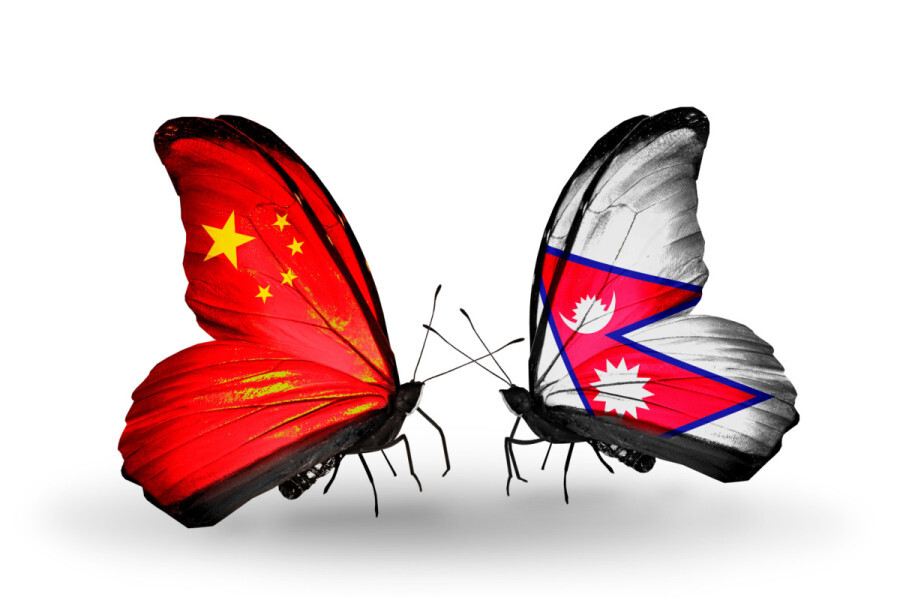
The relationship between Nepal and China demonstrates the importance of friendship organizations in strengthening bilateral ties.
Over several decades, Nepal–China friendship associations have promoted cooperation through cultural exchanges, educational programs, publications, seminars, tourism promotion, sister-city initiatives, language education, and people-to-people interactions. These organizations have helped reinforce the traditional friendship between the two neighboring countries while complementing official diplomatic efforts.
As Nepal and China continue to expand cooperation under their Strategic Partnership of Cooperation Featuring Ever-lasting Friendship for Development and Prosperity, friendship associations can contribute further by promoting local government cooperation, academic collaboration, youth engagement, sustainable development, and cultural understanding.
Challenges Facing Friendship Associations
Despite their importance, friendship associations face several challenges:
- Limited financial resources
- Dependence on volunteers
- Insufficient public awareness
- Limited youth participation
- Rapid changes in digital communication
- Need for greater professional management
Addressing these challenges requires stronger partnerships with governments, educational institutions, businesses, and international organizations.
The Way Forward
To maximize their contribution, friendship associations should:
- Expand digital diplomacy through websites and social media.
- Promote research and policy dialogue.
- Encourage youth leadership and volunteerism.
- Strengthen partnerships with universities and think tanks.
- Facilitate municipal and provincial cooperation.
- Promote sustainable development initiatives.
- Increase cultural, educational, and tourism exchanges.
- Develop stronger business networking platforms.
Conclusion
Friendship associations have become indispensable partners in modern diplomacy. By promoting people-to-people connections, cultural understanding, educational cooperation, economic engagement, and mutual trust, they create a strong social foundation upon which lasting bilateral relations can flourish.
Their work demonstrates that genuine friendship between nations is built not only through diplomatic agreements but also through the everyday interactions of ordinary citizens. As international cooperation becomes increasingly important in addressing global challenges, friendship associations will continue to play an essential role in fostering peace, mutual respect, and sustainable development among nations.
(Prepared by: Nepal China Academy for its members and supporters via www.ncfa.org.np)